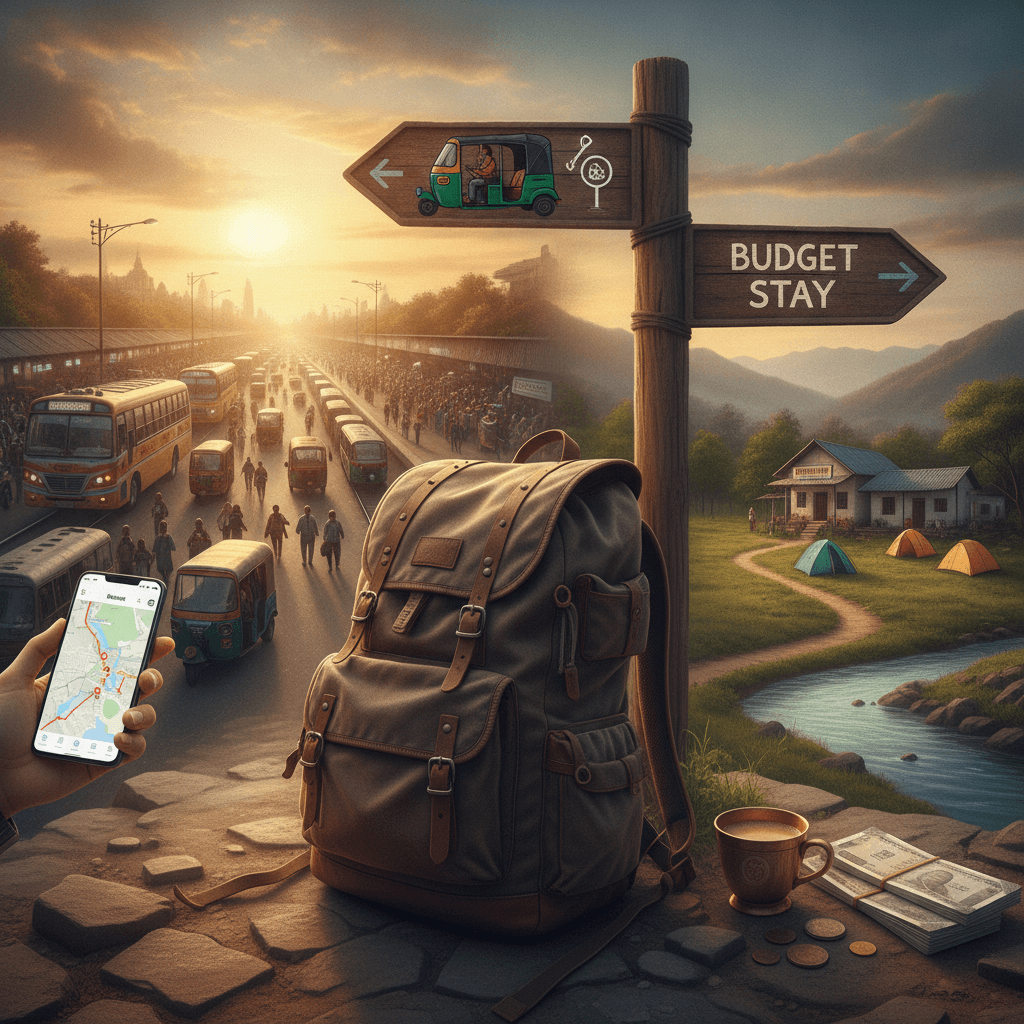
Unlock expert tips to save money on accommodation and transport for your budget trip across India. Learn about group travel, off-season deals, and smart transport strategies for an unforgettable adventure with Travelers Nest.
Key takeaways
Budget travelers in India can save significantly by embracing group travel and off-season exploration, challenging the traditional solo-backpacker model.
Hostels and guesthouses offer clean, social, and economical accommodation, with rates typically between INR 750-1,500 per night, and the Indian hostel market is growing at a 7.6% CAGR through 2036.
Traveling during India's off-peak seasons (May-September) can lead to substantial savings, including 30-50% discounts on flights and significantly lower hotel rates.
Indian Railways is the most affordable long-distance transport, carrying over 7.63 billion passengers in 2025-2026, while local buses and ride-sharing apps provide cheap urban mobility.
Leveraging technology for bookings, packing light, and being flexible with travel dates are crucial strategic planning elements for maximizing savings on an Indian budget trip.
Save Money on Accommodation & Transport for India Trips
Budget travelers in India can save significantly by embracing group travel and off-season exploration, challenging the traditional solo-backpacker model.
Hostels and guesthouses offer clean, social, and economical accommodation, with rates typically between INR 750-1,500 per night, and the Indian hostel market is growing at a 7.6% CAGR through 2036.
Traveling during India's off-peak seasons (May-September) can lead to substantial savings, including 30-50% discounts on flights and significantly lower hotel rates.
Indian Railways is the most affordable long-distance transport, carrying over 7.63 billion passengers in 2025-2026, while local buses and ride-sharing apps provide cheap urban mobility.
Leveraging technology for bookings, packing light, and being flexible with travel dates are crucial strategic planning elements for maximizing savings on an Indian budget trip.
Embarking on a budget trip across India doesn't mean compromising on rich experiences; instead, it's about strategic planning and embracing community-driven travel. To effectively save money on accommodation and transport during your budget trip across India, travelers should prioritize off-season exploration, leverage group travel opportunities, and utilize India's extensive public transport networks, particularly its affordable railway system. This approach allows for deeper cultural immersion and significant financial savings, redefining what a budget adventure can truly offer.
As Devendra Singh, a travel blogger and content creator with over six years of experience specializing in budget and adventure trips across India, I've seen firsthand how the landscape of affordable travel has evolved. For young, experience-driven travelers, the pursuit of budget-friendly options no longer means sacrificing quality or connection. Instead, it's about smart choices that enhance the journey. This guide delves into actionable strategies for minimizing expenses while maximizing authentic experiences, moving beyond the conventional solo backpacking narrative to highlight the power of community and strategic timing.
The Community Advantage: Redefining Budget Travel Through Group Experiences
For many budget-conscious travelers aged 18 to 45 in India, the traditional image of a solo backpacker meticulously counting rupees might seem like the only path to affordability. However, a more impactful, and often overlooked, strategy lies in embracing community-driven travel and off-season exploration. This unique perspective, championed by platforms like Travelers Nest, suggests that significant savings and richer experiences can be unlocked by traveling in groups or opting for curated packages during less popular times.
The core idea is simple: collective bargaining power reduces individual costs. When multiple travelers share expenses for accommodation, private transport, or even guided tours, the per-person outlay drops dramatically. This approach challenges the notion that true adventure must always be solitary, demonstrating that shared journeys can lead to both financial efficiency and enhanced social connections. For instance, splitting the cost of a private car for a day in a region like Rajasthan, which might otherwise be expensive for a solo traveler, becomes highly affordable within a group. This method not only saves money but also fosters camaraderie, aligning perfectly with the target audience's desire for social connection and hassle-free planning.
Furthermore, curated group trips offered by communities such as Travelers Nest often come with pre-negotiated rates for accommodations and transport, leveraging their network to secure deals individual travelers might not access. This provides a structured yet adventurous way to explore India without the burden of extensive personal planning, a key draw for young professionals and students.
Mastering Accommodation: Smart Stays for Less
Accommodation often represents a significant portion of a travel budget. In India, a diverse range of options exists for budget travelers, offering both affordability and unique cultural insights. The key is to know where to look and what to prioritize.
Hostels and Guesthouses: Social & Economical Hubs
Hostels have revolutionized budget travel in India, transitioning from basic dormitories to vibrant social hubs. These establishments offer clean and safe dorm beds or simple private rooms, typically ranging from INR 750-1,500 (USD 9-20) per night. The Indian hostel market is experiencing substantial growth, projected to expand at a 7.6% Compound Annual Growth Rate (CAGR) through 2036, driven by budget-conscious young travelers seeking community and shared experiences. Many hostels now feature communal kitchens, co-working spaces, and organized activities, fostering an environment for travelers to connect and share experiences, which is a major draw for the target demographic. This shared economy model allows for significantly lower average daily rates (ADR), often around INR 500 per night, providing facilities akin to a 4-star hotel at a fraction of the cost.
Homestays and Local Experiences: Cultural Immersion on a Budget
Homestays offer an unparalleled opportunity for cultural immersion at a reasonable price. Staying with local families provides insights into regional customs, cuisine, and daily life that standard hotels cannot match. These accommodations vary widely in price but often present better value than mid-range hotels, especially in less touristy areas. Engaging with hosts can also lead to insider tips on local, affordable eateries and hidden gems, further enhancing the budget traveler's experience. In places like Kerala, homestays can cost around $15-20 per night, offering a more authentic experience than conventional hotels.
Off-Season Stays: Unlocking Deeper Discounts
Traveling during India's off-peak seasons can lead to significant savings on accommodation. Generally, the off-peak periods include the monsoon season (July to September) and the hot summer months (April to June) in many regions. During these times, hotels and guesthouses, particularly in popular tourist hotspots like Goa, Kerala, and Rajasthan, often reduce their rates substantially to attract visitors. While the traditional concept of 'off-season' is gradually fading due to flexible work arrangements and changing travel mindsets, shoulder seasons (just before or after peak months) still offer more competitive pricing. For instance, booking accommodation in July, historically a low season, can yield average rates of $109/night, compared to $171/night in December, the most expensive month. This strategic timing allows access to properties that might otherwise be out of budget, providing a taste of luxury for less.
How can I save money on accommodation and transport during my budget trip across India?
Navigating India: Economical Transport Strategies
Efficient and affordable transportation is paramount for a budget trip across India. The country boasts an extensive and diverse transport network, catering to every budget and travel style.
Indian Railways: The Lifeline of Budget Travel
Indian Railways stands as the most affordable and widely used mode of long-distance transport. It is a true lifeline for budget travelers, connecting virtually every corner of the country. In 2025-2026, Indian Railways carried over 7.63 billion passengers, making India rank first globally in railway passenger numbers. Tickets are significantly cheaper than air travel, with a 5-hour train ticket between Delhi and Jaipur costing approximately USD 8-15 in air-conditioned classes. Opting for Sleeper Class or Non-AC 3-Tier/2-Tier coaches offers a balance of comfort and cost-effectiveness. Booking well in advance, especially for popular routes and during peak seasons, is crucial due to high demand. Websites like IRCTC (Indian Railway Catering and Tourism Corporation) are essential for online bookings, though travelers may need to navigate the system carefully.
Bus Networks: Connecting the Unconnected
For destinations not covered by the railway network or for shorter inter-city travel, India's extensive bus network is an excellent and economical alternative. State-run buses are the cheapest option, though they might be less comfortable and slower. Private bus operators, offering everything from basic seating to air-conditioned sleeper coaches, provide a more comfortable experience at slightly higher prices. Websites and apps like RedBus or AbhiBus allow travelers to compare prices and book tickets conveniently. While an average daily transport expense for a budget traveler is around INR 1200 (USD 15), local buses often cost far less, contributing significantly to overall savings.
Local Transport: Auto-Rickshaws, Rickshaws, and Ride-Sharing
Within cities, local transport options are abundant and affordable. Auto-rickshaws (tuk-tuks) are ubiquitous and a cost-effective way to get around, though bargaining for fares is often necessary. Cycle-rickshaws offer an even cheaper, albeit slower, alternative for short distances. The rise of ride-sharing apps like Uber and Ola has further streamlined urban transport, offering transparent pricing and convenience. In Mumbai, local trains cost around $0.50 per ride, and Uber/Ola trips range from $3-6. Hiring a private driver for a full day can cost $40-70 in major cities like Mumbai or Delhi, which, if split among a group, becomes highly economical.
Leveraging Technology: Apps and Platforms for Maximizing Savings
The digital revolution has transformed budget travel, putting powerful money-saving tools directly into travelers' hands. Utilizing the right apps and online platforms can significantly reduce expenses on accommodation and transport.
For accommodation, apps like Booking.com, Agoda, and Hostelworld are indispensable for comparing prices and finding deals on hostels, guesthouses, and budget hotels. Many budget travelers now prefer to book online, with around 69% of travelers making online reservations, often just days or hours in advance. These platforms often feature user reviews, helping travelers make informed decisions about cleanliness and safety, particularly for budget-friendly options that might otherwise have questionable quality. For transport, apps like MakeMyTrip, Goibibo, and RedBus are crucial for booking train and bus tickets, comparing fares, and checking schedules. Ride-sharing apps such as Uber and Ola offer convenient and transparent pricing for local travel, eliminating the need for extensive bargaining. Additionally, community platforms like Travelers Nest facilitate group trip planning, allowing travelers to connect with like-minded individuals and split costs, thereby unlocking group discounts on various services.
Strategic Planning: Beyond Booking Discounts
While finding discounts is crucial, a holistic approach to budget travel involves strategic planning that extends beyond individual bookings. Thoughtful preparation can lead to substantial long-term savings.
Flexible Travel Dates: The Power of Off-Peak
Flexibility with travel dates is perhaps the most powerful tool for budget travelers. As mentioned earlier, opting for the off-season or shoulder seasons can lead to considerable savings on both flights and accommodation. Airlines operating within India often offer cheaper fares during the off-peak season, sometimes saving travelers up to 30-50% compared to peak-season prices. For example, July generally offers the cheapest hotel rates in India, with average rates around $109 per night, whereas December sees prices climb to $171 per night. By avoiding major festivals, public holidays, and school vacation periods, travelers can capitalize on lower demand and more competitive pricing.
Advance Booking vs. Last-Minute Deals: What's Best for You?
The debate between advance booking and last-minute deals often depends on the type of travel and destination. For popular train routes, particularly sleeper class or AC coaches, booking several weeks or even months in advance is essential due to high demand. Indian Railways saw over 7.63 billion passengers in 2025-2026, highlighting the scale of demand. For flights, booking 1-3 months ahead often yields the best prices. However, for accommodation in less popular areas or during the absolute off-season, last-minute deals might be available as properties try to fill rooms. For Travelers Nest Community members, leveraging group bookings through the platform can secure favorable rates regardless of individual booking timing, combining the benefits of planned group travel with potential volume discounts.
Packing Light: Avoiding Extra Charges and Enhancing Mobility
Excess baggage fees can quickly erode a budget. Packing light is not only cost-effective but also enhances mobility, making it easier to navigate crowded train stations, bus terminals, and city streets. Many budget airlines in India charge for checked luggage, making carry-on-only travel a smart financial choice. Furthermore, traveling with minimal luggage reduces the need for expensive taxis or auto-rickshaws, allowing for greater reliance on public transport and walking, which inherently saves money.
Safety and Practical Tips for Budget Travelers
While budget travel in India is incredibly rewarding, prioritizing safety and being well-prepared is crucial. Devendra Singh’s six years of experience emphasize that smart travel isn't just about saving money, but also about ensuring a secure and enjoyable journey. Always inform someone of your itinerary, especially when traveling solo or to remote areas. Keep important documents securely stored and carry digital copies. Utilize reputable apps for bookings and ride-sharing to ensure transparency and accountability.
When it comes to finances, use ATM cards from major banks to avoid excessive transaction fees, and carry a small amount of local currency for immediate needs. Street food is a fantastic and cheap way to eat, but choose vendors with high turnover and visible hygiene. Drink only bottled or filtered water. For women travelers, consider joining women-only travel groups or opting for female-only dorms in hostels for added comfort and security. Travelers Nest Community offers curated group trips that often include guides, enhancing safety and providing a hassle-free experience for those who prefer not to navigate independently.
Conclusion: Embrace the Journey, Not the Expense
Saving money on accommodation and transport during a budget trip across India is entirely achievable, particularly for the young, experience-driven travelers of the Travelers Nest Community. By strategically embracing group travel, optimizing off-season visits, and intelligently utilizing India's vast public transport networks, travelers can unlock profound experiences without overspending. The key lies in a shift from conventional solo budget paradigms to a more communal, planned, and timely approach. This not only makes India more accessible but also transforms the journey into a richer, more connected, and truly unforgettable adventure. Remember, a budget trip isn't about deprivation; it's about making smart choices that lead to extraordinary memories.
Frequently asked questions
What is the average daily budget for a backpacker in India?
Budget travelers in India can expect to spend approximately INR 3,000-4,000 (USD 35-50) per day, covering accommodation, transport, food, and basic activities. This can be further reduced by opting for hostels, local eateries, and extensive public transport.
How much can I save by traveling to India during the off-season?
Traveling during India's off-season (typically May to September) can lead to significant savings, with flights often discounted by 30-50% and hotel rates substantially reduced. For example, hotel rates can be as low as $109/night in July compared to $171/night in December.
Are hostels a good option for budget accommodation in India?
Yes, hostels are an excellent option for budget accommodation in India, offering clean and safe dorm beds or private rooms for INR 750-1,500 (USD 9-20) per night. They are also great for social interaction and community building, with the Indian hostel market projected to grow at a 7.6% CAGR through 2036.
What is the most affordable way to travel long distances in India?
Indian Railways is the most affordable and widely used mode of long-distance transport in India. It carried over 7.63 billion passengers in 2025-2026, making it globally number one. Sleeper Class or Non-AC coaches offer cost-effective travel, with tickets like Delhi-Jaipur costing USD 8-15.
How can group travel help save money in India?
Group travel can significantly reduce individual costs by sharing expenses for accommodation, private transport, and guided tours. Platforms like Travelers Nest facilitate group bookings, leveraging collective bargaining power to secure pre-negotiated rates and discounts that individual travelers might not access.
DS
Written by
Devendra Singh
Travel Blogger & Content Creator · Travel Enthusiast, 6+ Years Experience in Travel & Tourism
Devendra Singh is a passionate traveler and content creator who loves exploring offbeat destinations and sharing practical travel guides. With 6+ years of experience in the travel industry, he specializes in budget travel, adventure trips, and creating memorable experiences for travelers across India.