Discover must-do adventure activities and best routes for a group trip to Ladakh in peak season. Plan a flawless, budget-conscious adventure with expert tips.
Key takeaways
Ladakh's peak season (July-August) is ideal for adventure activities like trekking, river rafting, and motorbiking due to favorable weather and open roads.
Strategic investments in reputable tour operators, experienced drivers, and proper acclimatization are crucial for group safety and enjoyment, especially given Ladakh's challenging terrain and road safety concerns.
Key adventure activities include high-altitude treks (Markha Valley), river rafting (Indus, Zanskar), motorcycle expeditions to high passes (Khardung La), and unique camel safaris in Nubra Valley.
The best routes for group travel are the Manali-Leh Highway (adventure) and Srinagar-Leh Highway (scenic, gradual ascent), complemented by an internal circuit covering Leh, Nubra Valley, Pangong Tso, and Tso Moriri.
An ideal group trip duration for Ladakh is 7-10 days, allowing for essential acclimatization and comprehensive exploration of its diverse landscapes and cultural sites.
Ladakh Group Adventure: Activities & Routes in Peak Season
Ladakh's peak season (July-August) is ideal for adventure activities like trekking, river rafting, and motorbiking due to favorable weather and open roads.
Strategic investments in reputable tour operators, experienced drivers, and proper acclimatization are crucial for group safety and enjoyment, especially given Ladakh's challenging terrain and road safety concerns.
Key adventure activities include high-altitude treks (Markha Valley), river rafting (Indus, Zanskar), motorcycle expeditions to high passes (Khardung La), and unique camel safaris in Nubra Valley.
The best routes for group travel are the Manali-Leh Highway (adventure) and Srinagar-Leh Highway (scenic, gradual ascent), complemented by an internal circuit covering Leh, Nubra Valley, Pangong Tso, and Tso Moriri.
An ideal group trip duration for Ladakh is 7-10 days, allowing for essential acclimatization and comprehensive exploration of its diverse landscapes and cultural sites.
Ladakh, often described as the 'Land of High Passes,' is a high-altitude cold desert region nestled in the Great Himalayas, offering unparalleled adventure opportunities and spiritual solace for group travelers. For those planning a group trip to Ladakh in peak season, the must-do adventure activities include high-altitude trekking, thrilling river rafting on the Indus and Zanskar, iconic motorcycle expeditions, mountain biking, and unique camel safaris in Nubra Valley. The best routes for group travel typically involve the classic Manali-Leh Highway, the scenic Srinagar-Leh Highway, and a comprehensive internal circuit covering Leh, Nubra Valley, Pangong Tso, and Tso Moriri, ensuring a blend of adventure and cultural immersion while prioritizing safety and acclimatization.
The Strategic Splurge: Redefining Value in Ladakh Group Travel
As Devendra Singh, a travel blogger and content creator with over six years of experience specializing in budget and adventure travel across India, I've observed a common pitfall among young, experience-driven travelers heading to Ladakh: prioritizing the lowest upfront cost over the ultimate value of their group experience. For the Travelers Nest Community, who seek meaningful travel, social connections, and hassle-free planning, a truly memorable Ladakh trip isn't about cutting every possible corner. It's about understanding when a strategic splurge transforms a potentially challenging journey into a safe, enjoyable, and truly unforgettable group adventure.
Why 'Budget' Can Be a Detriment in Ladakh
Ladakh's unique high-altitude environment presents challenges that differ vastly from typical Indian tourist destinations. A rigid, low-budget approach, particularly for group trips, can inadvertently compromise safety, health, and overall enjoyment. For instance, opting for the cheapest transportation might mean less experienced drivers or poorly maintained vehicles on treacherous mountain roads. Data from the Ladakh Traffic Police Wing revealed 289 road accident cases in 2023, resulting in 58 fatalities and 336 injuries, with human negligence and speeding being significant factors (Source: Ladakh Traffic Police Wing, 2024). This statistic underscores the critical importance of reliable transport in Ladakh.
Similarly, skimping on proper accommodation or guided tours can lead to inadequate acclimatization, a major risk for Acute Mountain Sickness (AMS). Many budget-conscious travelers, especially those new to high altitudes, might underestimate the need for proper rest and a carefully paced itinerary. This can quickly derail a group trip, turning excitement into discomfort or even medical emergencies, ultimately costing more in terms of health, time, and unforeseen expenses.
Investing in Safety and Experience for Group Trips
The strategic splurge in Ladakh means allocating resources to critical areas that directly enhance safety, comfort, and the collective group experience. This includes choosing reputable tour operators who prioritize acclimatization, provide experienced drivers, and maintain quality vehicles. While budget group tours to Ladakh can start from ₹18,000 - ₹25,000, standard tours ranging from ₹25,000 - ₹35,000 often offer a significantly improved experience with better inclusions (Source: SkyHike, 2026). This investment ensures that your group benefits from expert guidance, reliable logistics, and a well-structured itinerary that balances adventure with essential rest.
For young professionals and students targeted by Travelers Nest, these strategic investments translate into a hassle-free journey where they can focus on adventure and social bonding, rather than worrying about logistics or safety. It's about recognizing that in a destination like Ladakh, certain expenditures are not luxuries but foundational elements of a successful and value-driven group adventure.
What are the Must-Do Adventure Activities in Ladakh?
Ladakh, with its dramatic landscapes and challenging terrain, is a paradise for adventure enthusiasts. During the peak season (July to August), the weather is favorable, and roads are open, making it ideal for a wide array of activities. These activities not only offer an adrenaline rush but also provide unique perspectives of the region's breathtaking beauty.
High-Altitude Trekking: Trails for Every Group
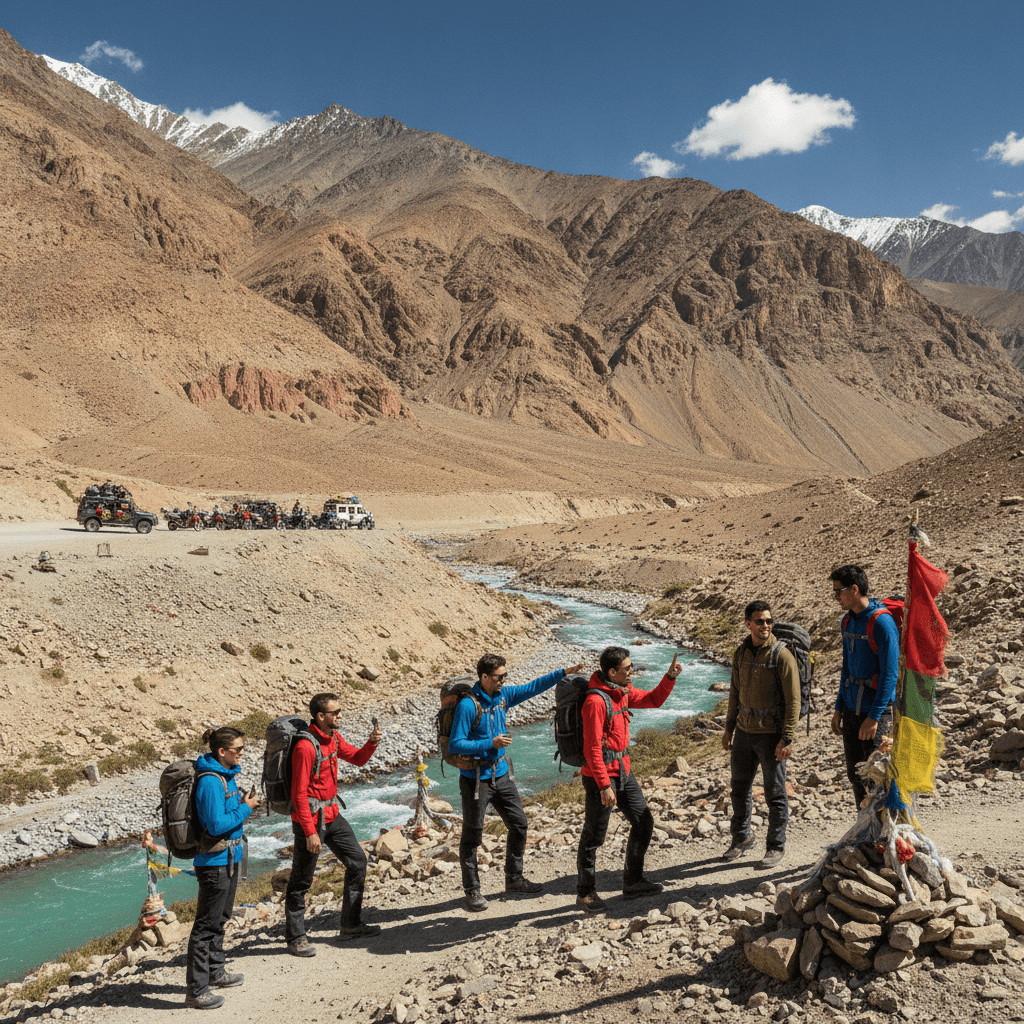
Trekking in Ladakh is a transformative experience, allowing groups to explore remote villages, ancient monasteries, and stunning glacial landscapes. Options range from moderate to challenging, catering to various fitness levels within a group. Popular treks during peak season include the Markha Valley Trek, known for its diverse scenery, river crossings, and Buddhist monasteries, typically taking 7-8 days (Source: Endeavour Ladakh, 2025). For groups seeking a shorter, less strenuous option, the Sham Valley Trek (also known as the Apricot Valley Trek) offers a glimpse into Ladakhi village life without extreme altitude gains. It's crucial for groups to start with easier treks and allow ample time for acclimatization.
Another popular option is the Stok Kangri trek, though it's a challenging high-altitude peak climb, often requiring more specialized gear and experience. For most groups, the Markha Valley or shorter day hikes around Leh offer an excellent balance of adventure and accessibility. Proper planning, including hiring certified guides and ensuring adequate gear, is paramount for safety and enjoyment on these high-altitude trails.
Thrilling River Rafting: Conquering the Indus and Zanskar
River rafting in Ladakh offers an exhilarating experience on the icy waters of the Indus and Zanskar rivers. The Indus River, particularly the stretch from Phey to Nimmo or Saspol, provides Grade I and II rapids, suitable for beginners and those looking for a relatively gentle yet scenic ride (Source: Endeavour Ladakh, 2025). This allows groups to enjoy the stunning gorges and views of ancient monasteries from a unique vantage point without extreme difficulty. Rafting is typically included in many group tours scheduled before mid-September (Source: ALifetimeTrip, 2026).
For more adventurous groups, the Zanskar River offers Grade III to V rapids, especially the Chilling to Nimmo stretch, often dubbed the 'Grand Canyon of Asia' (Source: Endeavour Ladakh, 2025). This section demands more experience and physical stamina. Regardless of the chosen stretch, engaging with certified rafting operators is non-negotiable for safety. River rafting provides a refreshing and thrilling break from road journeys, creating memorable shared experiences for the entire group.
Iconic Motorcycle Expeditions & Mountain Biking
A motorcycle trip across Ladakh's high mountain passes is a quintessential adventure, often considered a rite of passage for riders. The iconic Leh-Manali Highway and the internal circuits offer breathtaking views and challenging terrain. While many groups opt for organized bike tours, others prefer renting bikes in Leh to explore (Source: ALifetimeTrip, 2026). This activity fosters a strong sense of camaraderie and achievement within a group as they navigate winding roads and high passes like Khardung La (one of the world's highest motorable roads) and Chang La. Khardung La, at an elevation of 5,359 meters (17,582 feet), is a major highlight for many.
For those who prefer pedal power, mountain biking and cycling are emerging trends in Ladakh. Routes around Leh, through the Indus Valley, or even longer expeditions to Nubra Valley, offer fantastic opportunities to experience the landscape up close. Groups can rent high-quality mountain bikes and explore at their own pace, enjoying the crisp mountain air and panoramic vistas. It is crucial for both motorcycling and mountain biking groups to carry appropriate gear, ensure their vehicles are well-maintained, and adhere to safety guidelines, especially regarding speed and road conditions.
Unique Experiences: Camel Safaris and More
Beyond the high-octane adventures, Ladakh offers unique experiences that are perfect for group bonding. A double-humped Bactrian camel safari in the sand dunes of Hunder in Nubra Valley is a surreal desert adventure amidst snow-capped peaks (Source: Vertex AI Search, 2024; Vertex AI Search, 2026). This activity provides a leisurely yet exotic way to explore the contrasting landscapes of Ladakh. Groups can enjoy the serene beauty of the cold desert, often culminating in an overnight camp stay, which further enhances the shared experience.
Other notable activities include jeep safaris to remote lakes like Tso Moriri and Tso Kar, offering stunning photographic opportunities and chances to spot unique wildlife. Paragliding, offered in certain areas during favorable weather, provides a bird's-eye view of the Himalayan panorama, an unforgettable experience for adventurous individuals within the group (Source: Vertex AI Search, 2025; Vertex AI Search, 2025). These diverse activities ensure that every member of the group, regardless of their adventure preference, finds something thrilling and memorable in Ladakh.
What are the must-do adventure activities and best routes for a group trip to Ladakh in peak season?
What are the Best Routes for a Group Trip to Ladakh?
Choosing the right route to and within Ladakh is paramount for a successful group trip, especially during peak season when road conditions are optimal. The routes offer distinct experiences, from adrenaline-pumping road trips to culturally rich journeys.
The Classic Manali-Leh Highway: An Epic Road Trip
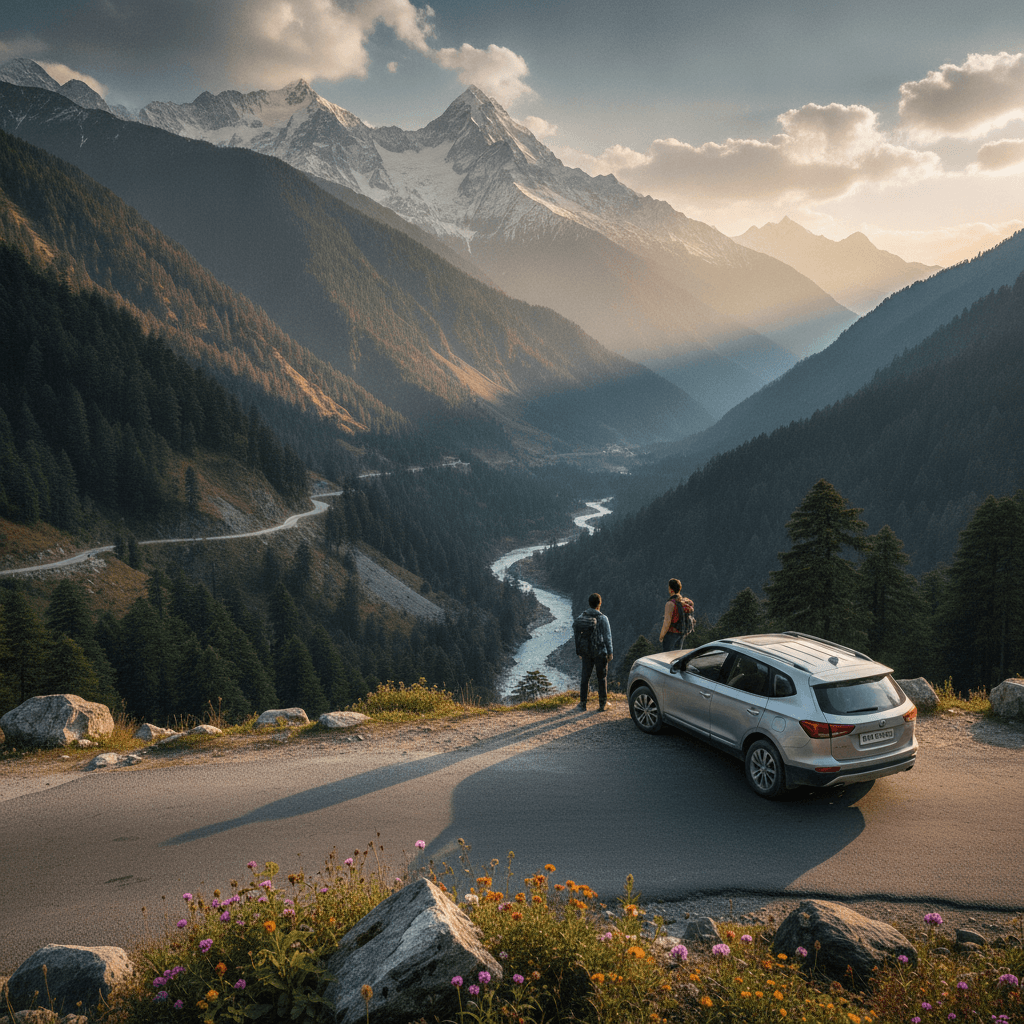
The Manali-Leh Highway is arguably the most iconic route to Ladakh, open typically from June to October. This 479 km stretch is a favorite for adventure seekers, offering dramatic landscapes, high mountain passes (Rohtang, Baralacha La, Nakee La, Lachulung La, Tanglang La), and numerous challenging hairpin bends. For a group trip, this route is best undertaken over two days with an overnight stop in Jispa or Keylong to aid acclimatization and break the long journey (Source: SkyHike, 2026). The shared experience of conquering this highway, with its breathtaking vistas and rugged terrain, fosters strong group bonding.
This route is particularly popular for motorcycle groups and jeep safaris. The journey provides unparalleled photographic opportunities and a true sense of adventure. However, due to its challenging nature and high altitudes, it requires well-maintained vehicles, experienced drivers, and careful planning for rest stops and acclimatization. Strategic planning also involves securing necessary permits for Rohtang Pass well in advance.
The Scenic Srinagar-Leh Highway: Cultural Immersion
The Srinagar-Leh Highway, generally open from May to November, offers a different flavor of journey. This 434 km route is known for its relatively smoother roads and more gradual ascent, making it a preferred choice for groups prioritizing comfort and cultural immersion. It passes through picturesque valleys, charming Kashmiri villages, and iconic spots like Sonamarg, Drass (the second coldest inhabited place on Earth), Kargil, and the historic Lamayuru monastery. The Zoji La pass, while challenging, is the only major high-altitude pass on this route.
Breaking this journey over two days with an overnight stay in Kargil allows groups to explore local markets and historical sites. This route is often recommended for first-time visitors to Ladakh or groups with members who might be more susceptible to altitude sickness due to its gentler elevation gain. It provides a rich cultural preamble to the Buddhist heartland of Ladakh, offering diverse experiences even before reaching Leh.
Once in Leh, the capital, groups typically embark on a well-defined internal circuit. A typical 6-7 day group tour often covers Leh, Nubra Valley, and Pangong Lake (Source: SkyHike, 2026). This circuit usually begins with a day or two of acclimatization in Leh, followed by a trip to Nubra Valley via Khardung La. Groups then proceed to Pangong Tso, often with an overnight stay in camps by the lake, before returning to Leh. This core circuit is a must-do for any group.
For groups with more time, extending the itinerary to include Tso Moriri Lake is highly recommended. This pristine high-altitude lake offers a more secluded and tranquil experience compared to Pangong Tso. The route to Tso Moriri often passes through remote villages and provides opportunities for wildlife spotting. A well-planned internal circuit ensures that the group experiences the diverse landscapes, cultural heritage, and iconic attractions of Ladakh efficiently and comfortably, maximizing their time during the peak season. An ideal duration for a Leh Ladakh tour is between 7 to 10 days, allowing ample time for exploration and acclimatization (Source: Brown Chinar Tour And Travel, 2025).
Essential Planning for a Flawless Group Adventure
Effective planning is the bedrock of a successful and enjoyable group trip to Ladakh. Given the region's high altitude and remote nature, meticulous preparation is not merely advisable but essential for safety and comfort.
Acclimatization: The Non-Negotiable First Step
Acclimatization is the single most critical factor for a safe Ladakh trip. Leh, situated at approximately 3,500 meters (11,500 feet), requires at least 24-48 hours of complete rest upon arrival. This allows the body to adjust to the lower oxygen levels. Rushing this process is the biggest mistake travelers make, often leading to Acute Mountain Sickness (AMS), characterized by headaches, nausea, dizziness, and fatigue (Source: Travel Coffee, 2026). For groups, a well-paced itinerary that includes dedicated rest days in Leh is paramount. Avoiding strenuous activity, staying hydrated, and refraining from alcohol on the first few days are crucial.
Symptoms of AMS can range from mild to severe, and in extreme cases, can be life-threatening. A responsible group leader or tour operator will ensure that the itinerary is designed to facilitate gradual acclimatization, often starting with local sightseeing in Leh on the second day before venturing to higher passes. This proactive approach to health is a prime example of a 'strategic splurge' that pays dividends in terms of group well-being and trip continuity.
Choosing the Right Group Tour Operator
For group travelers, especially those seeking hassle-free planning and curated experiences, selecting a reputable tour operator is a strategic investment. A good operator, like those featured on Travelers Nest, handles all logistics: accommodation, transportation, permits, and often meals. They also provide experienced tour managers who are adept at navigating Ladakh's challenges and ensuring group safety. This is particularly vital in a region where internet signal strength can be poor, and local assistance is often required (Source: ALifetimeTrip, 2026).
When evaluating operators, look for those with positive reviews regarding safety protocols, acclimatization schedules, and responsiveness to unforeseen circumstances. A transparent itinerary, clear inclusions, and the provision of emergency contacts are indicators of a trustworthy partner. While budget packages exist, investing in a slightly higher-tier package often translates to better quality services, more comfortable stays, and a more robust support system, which is invaluable for a group exploring a challenging destination like Ladakh.
Packing Smart for Ladakh's High Altitudes
Packing appropriately for Ladakh's unpredictable high-altitude weather is essential. Even during peak season, temperatures can drop significantly, especially at night or at higher elevations. Essential items include layers of warm clothing (thermals, fleece jackets, down jackets), waterproof and windproof outer shells, sturdy trekking shoes, sunglasses with UV protection, sunscreen (SPF 50+), a wide-brimmed hat, and lip balm (Source: Vertex AI Search, 2025).
Personal medication, a basic first-aid kit (including pain relievers, band-aids, antiseptic, and rehydration salts), and a portable oxygen canister are also highly recommended. For groups, a shared medical kit managed by the tour leader can be beneficial. Additionally, power banks are crucial due to limited charging points in remote areas, and a good quality camera is a must to capture Ladakh's stunning vistas. Smart packing minimizes discomfort and ensures the group is prepared for all eventualities, allowing for a more focused and enjoyable adventure.
How Does Peak Season Impact a Ladakh Group Trip?
Peak season in Ladakh, typically spanning from July to August, brings with it a unique set of advantages and challenges for group travelers. Understanding these dynamics is key to optimizing the group experience.
Advantages of Peak Season Travel
The primary advantage of visiting Ladakh during peak season is the favorable weather. Temperatures are pleasant, averaging around 25°C during the day, and most roads, including the Manali-Leh and Srinagar-Leh highways, are fully open and accessible (Source: Discover Leh Ladakh, 2026; Travel Coffee, 2026). This ensures smooth travel and access to all major attractions and adventure activity points, from high mountain passes to remote lakes. The clear skies and vibrant landscapes are ideal for photography and outdoor activities like trekking, river rafting, and camping. Many monastery festivals also take place during this period, offering groups a chance to immerse themselves in rich Ladakhi culture.
Moreover, peak season sees a surge in tourism infrastructure and services. More hotels, guesthouses, and restaurants are fully operational, offering a wider range of choices. This period also witnesses a higher concentration of other travelers, which can enhance the social aspect of a group trip, allowing for interactions with like-minded explorers. Ladakh recorded a 43.65% increase in tourist arrivals from January to May 2026 compared to the same period in 2025, with May 2026 alone seeing a 121.2% surge, indicating robust demand during the start of the peak season (Source: Daily Pioneer, June 2026; Hindustan Times, June 2026; India News, June 2026).
Navigating Peak Season Challenges
While advantageous, peak season also presents challenges. The increased popularity means higher tourist footfall, leading to crowded attractions, especially at popular spots like Pangong Tso and Nubra Valley. This can sometimes detract from the serene experience Ladakh is known for. Accommodation and flight prices from cities like Delhi tend to be higher and require booking well in advance (Source: Discover Leh Ladakh, 2026). For budget-conscious groups, this necessitates meticulous planning and early reservations to secure favorable rates.
Traffic congestion on popular routes, particularly around major passes, can also occur. Group tour operators often mitigate this by scheduling travel during off-peak hours or taking alternative routes where possible. Water scarcity, especially in popular camping areas around lakes, can also be a concern due to increased demand. Groups should be mindful of their water consumption and rely on operators who prioritize sustainable practices. Despite these challenges, careful planning and choosing a reputable tour operator can ensure that a group trip to Ladakh during peak season remains an incredibly rewarding experience, balancing the vibrancy of high season with strategic management of its drawbacks.
Conclusion
A group trip to Ladakh in peak season promises an unparalleled blend of adventure, culture, and breathtaking natural beauty. From challenging high-altitude treks and thrilling river rafting to iconic motorcycle journeys and unique camel safaris, the region offers a diverse palette of experiences for every adventurous group. The best routes, whether the Manali-Leh or Srinagar-Leh highways, coupled with a comprehensive internal circuit, ensure a holistic exploration of this Himalayan wonderland. However, a truly flawless trip, especially for the budget-conscious yet experience-driven travelers of the Travelers Nest Community, hinges on a 'strategic splurge' – prioritizing safety, expert guidance, and proper acclimatization over merely the lowest cost. By investing wisely in reliable operators and meticulous planning, groups can navigate Ladakh's unique challenges, mitigate risks like altitude sickness and road accidents, and unlock the profound value of a hassle-free, socially enriching, and deeply memorable adventure. Embrace the strategic splurge; it is the definitive path to maximizing your group's Ladakh experience.
Frequently asked questions
What is the best time for a group adventure trip to Ladakh?
The peak season for a group adventure trip to Ladakh is typically from July to August. During this period, the weather is pleasant, averaging around 25°C during the day, and both the Manali-Leh and Srinagar-Leh highways are fully open, allowing access to all major attractions and adventure activities.
What are the essential adventure activities for a group in Ladakh?
Must-do adventure activities for a group in Ladakh include high-altitude trekking (like the Markha Valley Trek), thrilling river rafting on the Indus and Zanskar rivers, iconic motorcycle expeditions across high passes, mountain biking, and unique camel safaris in Nubra Valley.
How long should a group trip to Ladakh be to ensure proper acclimatization?
An ideal duration for a group trip to Ladakh is between 7 to 10 days. This allows sufficient time for proper acclimatization, with at least 24-48 hours of complete rest upon arrival in Leh, and adequate time to explore major attractions and engage in adventure activities without rushing.
Is it safe to travel to Ladakh by road with a group, and what are the best routes?
Traveling to Ladakh by road with a group is safe if proper precautions are taken, including choosing experienced drivers and well-maintained vehicles. The best routes are the Manali-Leh Highway for an epic road trip and the Srinagar-Leh Highway for a more gradual ascent and cultural immersion.
Why is a 'strategic splurge' important for budget-conscious groups in Ladakh?
A 'strategic splurge' is crucial for budget-conscious groups in Ladakh because investing in reliable tour operators, experienced drivers, and proper acclimatization ensures safety, health, and a hassle-free experience. Cutting corners on these aspects can lead to compromised enjoyment, health risks, and potentially higher unforeseen costs in a challenging high-altitude environment.
DS
Written by
Devendra Singh
Travel Blogger & Content Creator · Travel Enthusiast, 6+ Years Experience in Travel & Tourism
Devendra Singh is a passionate traveler and content creator who loves exploring offbeat destinations and sharing practical travel guides. With 6+ years of experience in the travel industry, he specializes in budget travel, adventure trips, and creating memorable experiences for travelers across India.