On this page · 9 sections
- 1The Travelers Nest Philosophy: Smart Minimalism for Ladakh
- 2Understanding Ladakh's High-Altitude Challenge
- 3Mastering Acclimatization: Your Day-by-Day Guide
- 4Essential Packing for Ladakh: The Smart Traveler's Checklist
- 5Common Packing and Acclimatization Mistakes to Avoid
- 6Should You Carry a Portable Oxygen Cylinder for Ladakh?
- 7Is Travel Insurance Necessary for a Ladakh Tour?
- 8Conclusion: Your Hassle-Free Ladakh Adventure Awaits
- 9Frequently Asked Questions
Quick answer
First-time Ladakh travelers: Master essential packing tips and critical acclimatization advice for a hassle-free, safe, and unforgettable high-altitude adventure in the Himalayas.
Key takeaways
- Acclimatization is mandatory: Rest for 48 hours upon flying into Leh to prevent Acute Mountain Sickness (AMS), as mandated by local authorities.
- Layered clothing is essential: Pack thermal wear, fleece, and a heavy windproof jacket to adapt to Ladakh's extreme temperature swings, even in summer.
- Hydration and sun protection are critical: Drink 3-4 liters of water daily and use high-SPF sunscreen, lip balm, and UV sunglasses due to intense high-altitude UV radiation.
- Smart minimalism beats overpacking: Focus on functional, versatile items and a comprehensive medical kit rather than excessive clothing or gadgets to ensure a hassle-free trip.
- Travel insurance is highly recommended: Secure a policy covering high-altitude medical emergencies and evacuations to mitigate risks in Ladakh's remote terrain.
Ladakh Tour: Essential Packing & Acclimatization for First-Timers
Devendra SinghTravel Blogger & Content CreatorJune 23, 2026
Key Takeaways
Acclimatization is mandatory: Rest for 48 hours upon flying into Leh to prevent Acute Mountain Sickness (AMS), as mandated by local authorities.
Layered clothing is essential: Pack thermal wear, fleece, and a heavy windproof jacket to adapt to Ladakh's extreme temperature swings, even in summer.
Hydration and sun protection are critical: Drink 3-4 liters of water daily and use high-SPF sunscreen, lip balm, and UV sunglasses due to intense high-altitude UV radiation.
Smart minimalism beats overpacking: Focus on functional, versatile items and a comprehensive medical kit rather than excessive clothing or gadgets to ensure a hassle-free trip.
Travel insurance is highly recommended: Secure a policy covering high-altitude medical emergencies and evacuations to mitigate risks in Ladakh's remote terrain.
Embarking on a Ladakh tour, a journey to the 'Land of High Passes', offers unparalleled adventure and breathtaking vistas, yet requires meticulous preparation to ensure a hassle-free experience. First-time travelers must prioritize essential packing tips and stringent acclimatization advice to navigate the region's extreme altitudes and unpredictable weather, which is crucial for preventing acute mountain sickness (AMS) and maximizing enjoyment. Ladakh, a high-altitude desert region in the Indian Himalayas, is characterized by its thin air, intense UV radiation, and dramatic temperature fluctuations, making informed preparedness paramount for a safe and memorable trip.
The Travelers Nest Philosophy: Smart Minimalism for Ladakh
At Travelers Nest Community, we believe that a truly enriching Ladakh experience for young, budget-conscious, and adventure-seeking Indian travelers hinges not on overpacking or a casual approach to high-altitude challenges, but on *smart minimalism* and *proactive health management*. Many first-time visitors, particularly those prioritizing social media aesthetics or group dynamics, often make preventable packing mistakes and underestimate the severity of Acute Mountain Sickness (AMS). This can actively sabotage their trips, leading to discomfort, health risks, and unnecessary expenses. Our unique stance for the Travelers Nest community is clear: success in Ladakh is achieved through informed preparedness and efficient choices, challenging the common misconception that more gear equates to more comfort. As Devendra Singh, a travel blogger and content creator with over six years of experience in budget and adventure travel, I emphasize that understanding Ladakh's demands is more valuable than excessive luggage. It's about optimizing your journey for safety, enjoyment, and the genuine connection with this incredible landscape and your fellow travelers, aligning perfectly with Travelers Nest's promise of curated, seamless group trips.
Understanding Ladakh's High-Altitude Challenge
Ladakh's allure lies in its majestic mountains and serene monasteries, but this beauty comes with the inherent challenge of high altitude. Leh, the capital, sits at an elevation of approximately 3,500 meters (11,500 feet) above sea level. Many popular destinations like Pangong Tso (4,250 meters / 13,940 feet) and Khardung La (5,359 meters / 17,582 feet) are significantly higher. At these elevations, atmospheric pressure and oxygen levels are substantially lower than at sea level, presenting a significant physiological stress to the human body. This reduced oxygen availability is the primary cause of altitude-related illnesses.
What is Acute Mountain Sickness (AMS)?
Acute Mountain Sickness (AMS) is a common condition affecting individuals who ascend rapidly to high altitudes without adequate acclimatization. Symptoms typically manifest within 6 to 24 hours of arrival and can range from mild to severe. Mild AMS symptoms include headache, nausea, dizziness, loss of appetite, fatigue, shortness of breath, and disturbed sleep. Research indicates that approximately 75% of people will experience mild AMS symptoms at altitudes over 3,000 meters (10,000 feet). In a study among lowlanders in Ladakh, the incidence rate for high altitude illness was 7.6 per 1,000 personnel in 2013-14 and 9.2 per 1,000 in 2014-15, with the maximum number of AMS cases reported within 0-2 days of acclimatization.
While often mild, AMS can progress to more severe and life-threatening conditions such as High Altitude Pulmonary Edema (HAPE), which involves fluid in the lungs, and High Altitude Cerebral Edema (HACE), characterized by swelling of the brain. In 2022, the Leh region reported 11 tourist deaths due to altitude sickness by June 10, out of 15 total tourist casualties, underscoring the critical importance of proper acclimatization.
Why is Acclimatization Critical for First-Time Ladakh Travelers?
Acclimatization is the physiological process by which your body adjusts to the reduced oxygen availability at high altitudes. For first-time travelers, especially those flying directly into Leh, this process is non-negotiable. Upon flying from sea-level plains to Leh, the atmospheric pressure drops by nearly 30%, causing immediate hypobaric hypoxia. The body's initial response involves increased breathing and heart rate, which is a strain on the cardiovascular system. Without adequate time to adapt, the risk of developing AMS significantly increases. Proper acclimatization allows your body to produce more red blood cells and make other crucial adjustments, ensuring a safer and more enjoyable journey. The Leh District Administration now mandates a strict 48-hour rest period for all air arrivals to facilitate this vital process.
Mastering Acclimatization: Your Day-by-Day Guide
Effective acclimatization is the cornerstone of a successful Ladakh trip. It involves a phased approach, allowing your body to gradually adjust to the lower oxygen levels. Rushing this process is the most common mistake made by first-time travelers and can have serious consequences. Here’s a recommended day-by-day acclimatization schedule for travelers arriving by air in Leh:
Day 1: Arrival and Absolute Rest in Leh
Arrive and Rest: Upon landing at Leh airport (3,500m), head directly to your hotel. The Leh District Administration mandates a strict 48-hour rest period for all air arrivals.
Limit Activity: Avoid any strenuous physical activity, sightseeing, or even walking uphill. The goal is to remain as idle as possible.
Stay Hydrated: Drink plenty of fluids, aiming for 3-4 liters of water, herbal tea, or soup throughout the day. Dehydration can exacerbate AMS symptoms.
Avoid Alcohol and Smoking: Absolutely no alcohol, smoking, or tobacco products for the first 48 hours, as these can severely impair your body's ability to acclimatize.
Light Meals: Opt for light, high-carbohydrate meals. Avoid heavy, oily, or processed foods.
Monitor Symptoms: Be aware of early AMS symptoms like headache, nausea, or dizziness. Report any discomfort to your travel companions or guide immediately.
Day 2: Gentle Exploration and Hydration
Gentle Walks: If you feel well, engage in short, slow walks on flat ground around Leh market or visit local, easily accessible spots like the Hall of Fame museum (without climbing). Keep walks to a maximum of 20-30 minutes.
Continue Hydration: Maintain a high fluid intake (3-4 liters) and consider adding Oral Rehydration Salts (ORS) if needed.
Avoid High Passes: Do not attempt to visit high-altitude passes like Khardung La or Pangong Tso. These areas are restricted until Day 3 for those flying in.
Pulse Oximeter Check: If you have one, regularly check your SpO2 (oxygen saturation) levels. Typically, SpO2 levels may drop to 85-90% during this period.
Medication Consultation: If you plan to use Acetazolamide (Diamox) for AMS prevention, consult your doctor well in advance. Diamox is a diuretic that can aid acclimatization but is not a substitute for proper rest.
Day 3: Gradual Ascension and Monitoring
Higher Altitude Visits: If you have acclimatized well and feel no AMS symptoms, you can gradually start exploring higher altitude areas. Destinations like Nubra Valley and Pangong Lake can be visited after a minimum of 2-3 days of acclimatization in Leh.
"Climb High, Sleep Low": If your itinerary involves visiting very high passes, try to follow the "climb high, sleep low" principle. This means you can ascend to a higher point during the day but return to a lower altitude for overnight stay.
Continuous Monitoring: Continue to monitor your body for any signs of AMS. If symptoms worsen, descend to a lower altitude immediately. This is the only definitive treatment for severe AMS.
Avoid Sleeping Pills: Do not use sleeping pills, as they can suppress breathing and worsen AMS symptoms at altitude.
Essential Packing for Ladakh: The Smart Traveler's Checklist
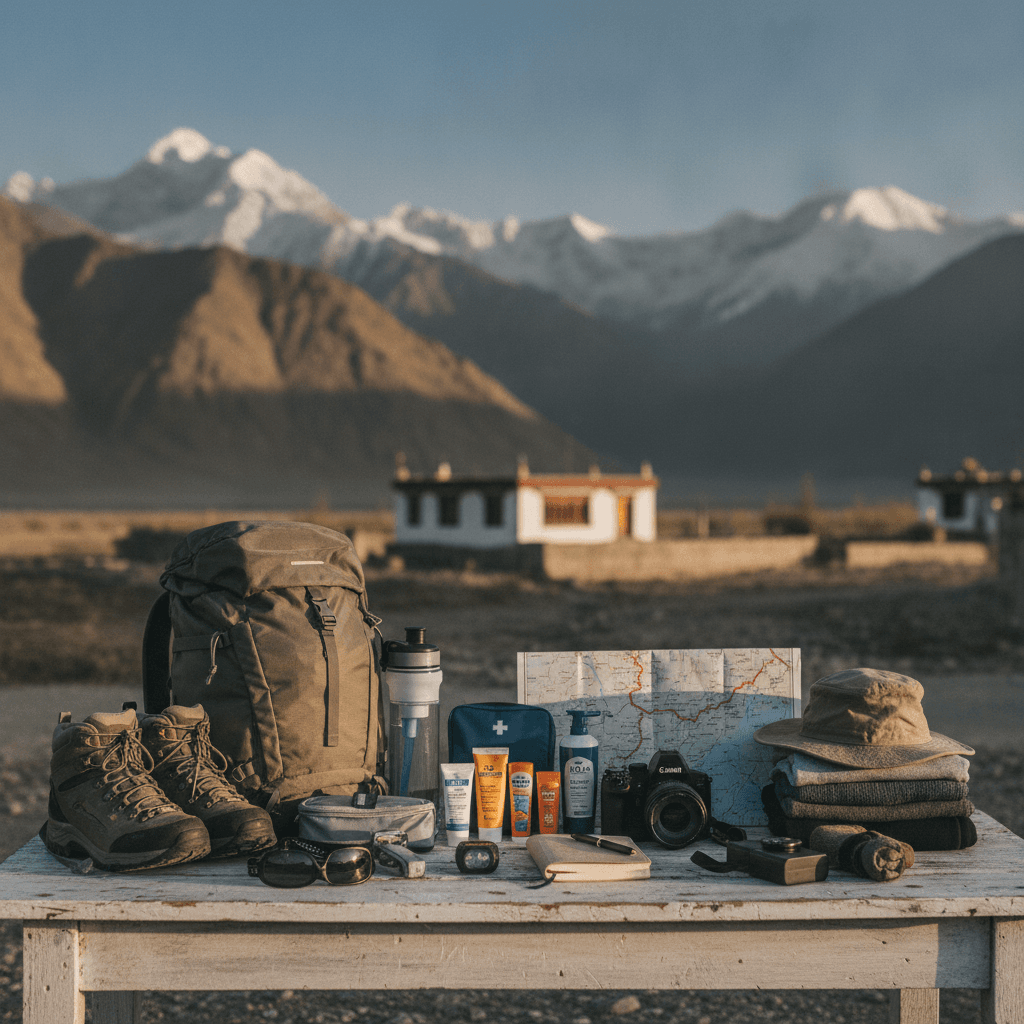
For a hassle-free Ladakh tour, smart packing is about efficiency, versatility, and preparedness for extreme conditions. It's not about carrying your entire wardrobe but selecting items that serve multiple purposes and offer optimal protection against cold, sun, and wind. Remember, once you leave Leh, access to shops or pharmacies is limited.
Clothing: The Art of Layering and Fabric Selection
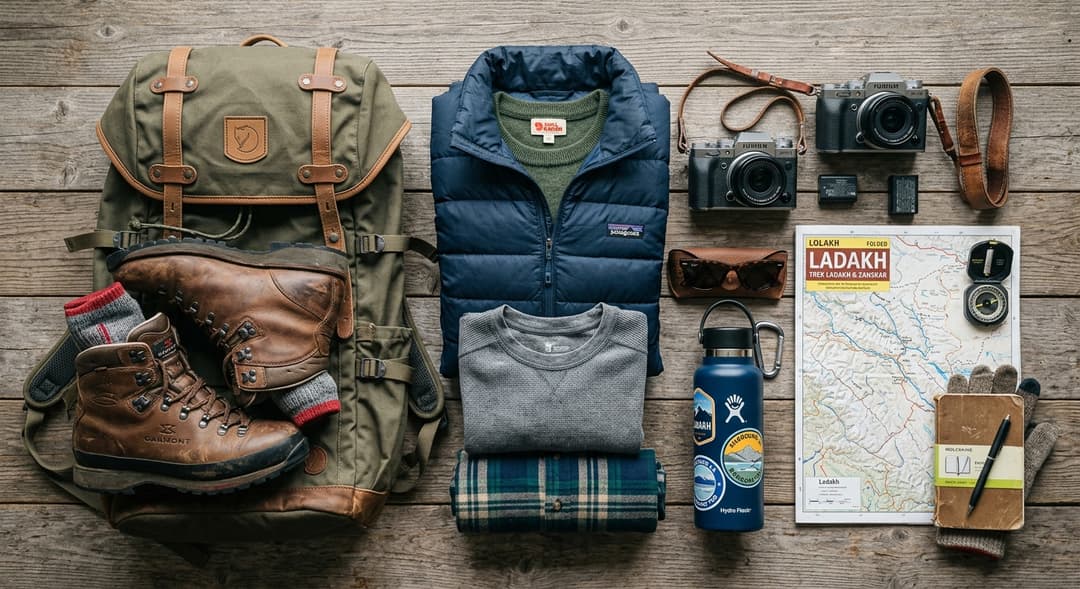
Ladakh's weather can change dramatically within hours, with warm days (15-22°C in summer) quickly giving way to freezing nights, especially at high passes and lake areas. Layering is the golden rule.
Base Layers (Thermals): Carry 2-3 sets of thermal innerwear (tops and bottoms), preferably merino wool or synthetic quick-dry fabrics. These are crucial for insulation, especially for cold nights at Pangong Tso or Nubra campsites, even in summer.
Mid-Layers: Pack 2-3 full-sleeve t-shirts and 1-2 fleece jackets or light woollen sweaters. These provide additional warmth and can be added or removed as temperatures fluctuate. Avoid heavy cotton, which retains moisture and can make you colder.
Outer Layers: A heavy, windproof, and waterproof jacket (a down jacket or insulated synthetic jacket is ideal) is essential. This layer protects against wind chill and precipitation, particularly at high passes where temperatures can drop significantly.
Bottom Wear: Trekking pants or warm trousers are recommended for day drives and activities. Carry one comfortable track pant for hotel wear. Avoid jeans for day travel as they can be restrictive and uncomfortable when wet.
Accessories:
Warm Cap/Beanie: Essential for protecting your head from the cold.
Gloves: Waterproof and warm gloves are mandatory, especially for early morning drives and high passes.
Warm Socks: Carry at least 3-4 pairs of woollen or thermal socks. Cold feet can quickly lead to discomfort.
Neck Warmer/Scarf: Protects your neck and face from biting winds and sun.
Footwear: Comfort, Grip, and Warmth
Comfortable Walking/Trekking Shoes: A sturdy pair with good ankle support and grip is vital for navigating uneven terrain. Ensure they are broken in before your trip to avoid blisters.
Slippers/Sandals: Useful for hotel use and short, relaxed strolls.
Health and Safety: A Comprehensive Medical Kit
A well-stocked personal medical kit is indispensable, as medical facilities are sparse outside Leh.
Prescription Medications: Carry all personal prescription medicines in sufficient quantity, along with your doctor's prescription.
AMS Medication: Consult your doctor about Acetazolamide (Diamox) for AMS prevention. Do not self-medicate.
Basic First-Aid: Band-aids, antiseptic wipes, pain relievers (paracetamol is recommended over ibuprofen at altitude), anti-inflammatory cream, muscle relaxant, crepe bandage.
Common Ailments: Medicines for cold, cough, fever, stomach upset (diarrhea, acidity), and rehydration salts (ORS).
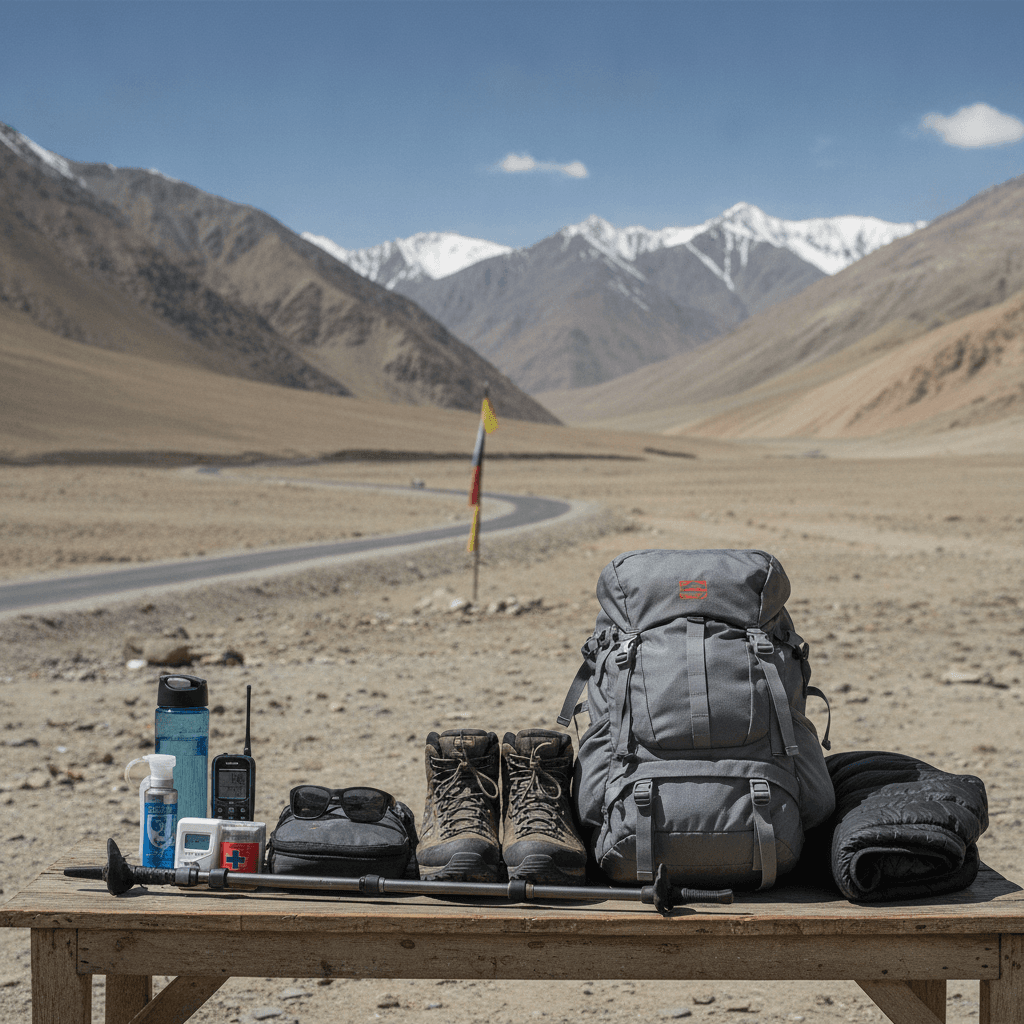
Pulse Oximeter: A portable pulse oximeter (costing around ₹1,500–₹3,000) is highly recommended to monitor your oxygen saturation levels.
Documents and Money: Securing Your Essentials
Government Photo ID: Mandatory for permits and check-ins. Carry multiple photocopies.
Inner Line Permit (ILP): Essential for visiting restricted areas like Nubra Valley, Pangong Tso, and Tso Moriri. Obtain this in advance or upon arrival in Leh.
Travel Insurance: Consider comprehensive travel insurance that covers high-altitude trekking and emergency medical evacuation. (Source: Project Himalaya, 2024).
Hotel Booking Confirmations: Keep printouts or digital copies.
Cash: ATMs are limited outside Leh, so carry sufficient cash for smaller expenses, local purchases, and emergencies.
Electronics and Gadgets: Staying Connected and Powered
Mobile Phone: Postpaid connections from BSNL, Airtel, or Jio generally have the best coverage in Ladakh.
Power Bank: Essential, as cold weather can drain batteries quickly, and charging points may be scarce.
Camera & Spare Batteries: Capture Ladakh's beauty, but ensure you have extra batteries and memory cards.
Chargers: For all your electronic devices.
Headlamp/Torch: Useful for dimly lit areas or power outages.
Personal Care and Hygiene: Combating the Harsh Environment
Sunscreen (SPF 40-50+): The UV index at high altitudes is extreme, making sunburn common. Apply generously and frequently.
Lip Balm with SPF: Protects against chapped lips due to dry air and sun.
Heavy Moisturizer: Combat dry skin caused by the arid climate.
Hand Sanitizer & Wet Wipes: For hygiene on the go where water might be scarce.
Small Towel: Quick-dry microfibre towels are ideal.
Reusable Water Bottle: Ladakh has banned single-use plastic, so carry a reusable bottle and refill it.
Common Packing and Acclimatization Mistakes to Avoid
Drawing from extensive experience in organizing adventure trips across India, including Ladakh, Travelers Nest has identified several recurring mistakes that young Indian travelers, particularly those in groups, often make. Avoiding these pitfalls can significantly enhance your trip's safety and enjoyment, aligning with our commitment to hassle-free experiences.
Overpacking "Fashion" Clothes: Many travelers bring too many outfits, prioritizing aesthetics over utility. In Ladakh, layering is key, and most of your clothing will be covered by jackets and thermals. Focus on functional, quick-drying layers rather than bulky, impractical garments.
Underestimating the Cold: Even in peak summer months like June and July, nights, mornings, and high passes in Ladakh are genuinely cold, often dropping below freezing. Packing "summer clothes" without adequate thermals and heavy jackets is a common and painful mistake.
Ignoring the 48-Hour Acclimatization Rule: The most critical mistake is rushing the first 1-2 days in Leh. Many attempt sightseeing or travel to higher areas immediately upon arrival, drastically increasing their risk of AMS. This can lead to severe discomfort, medical emergencies, and even trip cancellations.
Insufficient Hydration: Failing to drink 3-4 liters of water daily is a major contributor to AMS and general discomfort. Many travelers neglect this basic but vital requirement.
Consuming Alcohol Early: Alcohol consumption within the first 48-72 hours in Leh severely hinders acclimatization, dehydrates the body, and can worsen AMS symptoms.
Neglecting Sun Protection: The intense UV radiation at high altitudes can cause severe sunburn, lip damage, and eye strain. Underestimating the need for high-SPF sunscreen, lip balm, and UV-protected sunglasses is a frequent oversight.
Carrying Full-Sized Toiletries: Bulky toiletries add unnecessary weight and take up valuable space. Opt for travel-sized versions or decant products into smaller containers. Many essential toiletries can also be purchased in Leh.
Relying Solely on Card Payments: While digital payments are growing, remote areas of Ladakh have limited ATM access and unreliable network coverage. Not carrying enough cash for emergencies and small vendors is a significant oversight.
Should You Carry a Portable Oxygen Cylinder for Ladakh?
The question of whether to carry a portable oxygen cylinder for a Ladakh trip is common among first-time travelers. For most healthy individuals who adhere strictly to proper acclimatization guidelines (a mandatory 36-48 hours rest in Leh), a portable oxygen cylinder is not strictly necessary. Your body is designed to adapt to lower oxygen levels if given sufficient time. However, it becomes a strong recommendation, or even a necessity, under specific circumstances.
Portable oxygen cans (e.g., Oxy99) are lightweight and can provide temporary relief for mild symptoms like headaches or shortness of breath at high passes, but they are generally too small to be genuinely useful in a severe emergency. A larger, rented portable oxygen cylinder (typically 414 to 780 liters) from Leh is a more practical option for those who might need it.
Consider carrying or renting an oxygen cylinder if any of the following apply:
Travelers with Medical Conditions: If anyone in your group has pre-existing conditions such as asthma, COPD, hypertension, heart conditions, or any respiratory issues, carrying an oxygen cylinder is crucial. High altitudes can rapidly worsen these conditions. Always consult your doctor before your trip.
Children or Elderly Family Members: Younger children and older adults may be more susceptible to AMS or have less physiological reserve to cope with altitude stress.
Tight or Rushed Itinerary: If your travel plan does not allow for the recommended 2-3 days of acclimatization in Leh, an oxygen cylinder can provide a temporary buffer, though it is not a substitute for proper rest.
Flying Directly to Leh: While road travel allows for gradual acclimatization, flying directly exposes you to a sudden drop in oxygen levels, making supplemental oxygen a more prudent consideration for immediate relief if symptoms arise.
Large Group Travel: In a large group, individual responses to altitude can vary widely. Having an oxygen cylinder can offer peace of mind and immediate assistance for anyone struggling, especially if medical help is far away.
It is important to understand that an oxygen cylinder is not a cure for AMS; it only buys you time to descend to a lower altitude, which is the only real treatment for severe AMS. Never treat an oxygen cylinder as a substitute for proper acclimatization.
Is Travel Insurance Necessary for a Ladakh Tour?
For a region as geographically challenging and remote as Ladakh, comprehensive travel insurance is not merely an option but a critical component of responsible travel planning, especially for adventure seekers. While there might not be a legal requirement for domestic travel insurance for all Indian treks, many recognized trek organizers now make it compulsory for treks above 10,000 ft (Source: Himalayan Hikers, 2025). The unpredictable nature of the Himalayas means that unforeseen circumstances, from sudden weather changes to medical emergencies, are always a possibility.
Travel insurance for Ladakh should ideally cover:
Emergency Medical Evacuation: This is perhaps the most crucial aspect. In remote areas, helicopter evacuations can be exorbitantly expensive, ranging from ₹80,000 to ₹3,00,000 for helicopter evacuations from treks like Kedarnath (Source: Himalayan Hikers, 2025). Ensure your policy specifically includes high-altitude evacuation.
Treatment of Acute Mountain Sickness (AMS): Medical expenses related to altitude sickness, including hospitalization in Leh's Sonam Norbu Memorial Hospital, should be covered.
Trip Cancellation/Interruption: Due to unforeseen events like severe weather, road closures (common in Ladakh), personal medical emergencies, or family issues.
Lost or Damaged Baggage: Especially important if you are carrying specialized trekking gear or expensive camera equipment.
Personal Accident Coverage: For injuries sustained during your trip.
When selecting a policy, carefully read the fine print to ensure it covers "hiking" or "trekking" up to the altitudes you plan to reach (e.g., 5,800m-6,000m for most Ladakh treks) and does not have exclusions for high-altitude activities. Some insurers specialize in adventure travel and offer more tailored policies for regions like Ladakh (e.g., ASC360 in India). Given that evacuating individuals from Ladakh to the mainland can take two to three days, having robust insurance provides essential financial protection and peace of mind, transforming potential crises into manageable situations.
Conclusion: Your Hassle-Free Ladakh Adventure Awaits
A Ladakh tour promises an unforgettable journey through a landscape of unparalleled beauty and spiritual depth. However, the success of this adventure, particularly for first-time travelers from urban India, hinges on a deep understanding of its unique challenges and a commitment to meticulous preparation. By embracing the philosophy of smart minimalism in packing and rigorously adhering to acclimatization protocols, you transform potential obstacles into stepping stones for a truly hassle-free experience.
The key takeaway is that your mental preparedness and informed decisions about what to carry and how to acclimatize are far more impactful than the sheer volume of your luggage. Prioritize functional, layered clothing, a comprehensive medical kit, essential documents, and unwavering hydration. Respecting the local environment and culture, alongside securing adequate travel insurance, further safeguards your journey. Travelers Nest Community is dedicated to equipping you with the knowledge and curated experiences to make your Ladakh adventure not just memorable, but also safe, seamless, and deeply rewarding. Prepare wisely, travel responsibly, and let the majestic allure of Ladakh unfold before you.
Frequently asked questions
What is the mandatory acclimatization period for Ladakh?
The Leh District Administration mandates a strict 48-hour rest period for all tourists arriving by air in Leh. This is crucial for your body to adjust to the high altitude and prevent Acute Mountain Sickness (AMS).
What are the most important clothing items to pack for Ladakh?
The most important clothing items for Ladakh are thermal innerwear, 1-2 fleece jackets, a heavy windproof and waterproof outer jacket, warm socks, a woollen cap, and gloves. Layering is essential due to fluctuating temperatures.
Is it necessary to carry an oxygen cylinder for a Ladakh trip?
For most healthy individuals who acclimatize properly (36-48 hours rest in Leh), an oxygen cylinder is not strictly necessary. However, it is strongly recommended if you are traveling with children, elderly family members, people with medical conditions, or have a tight itinerary with limited acclimatization time.
What are the common mistakes first-time Ladakh travelers make?
Common mistakes include rushing acclimatization by engaging in strenuous activity on Day 1, underestimating the cold, overpacking unnecessary items, neglecting sun protection, and consuming alcohol within the first 48-72 hours of arrival.
Do I need travel insurance for a Ladakh tour?
Yes, comprehensive travel insurance is highly recommended for a Ladakh tour. It should cover emergency medical evacuation (especially for high altitudes), treatment for Acute Mountain Sickness (AMS), and trip cancellation/interruption due to unforeseen circumstances like weather or road closures.
Written by
Devendra Singh
Travel Blogger & Content Creator · Travel Enthusiast, 6+ Years Experience in Travel & Tourism
Devendra Singh is a passionate traveler and content creator who loves exploring offbeat destinations and sharing practical travel guides. With 6+ years of experience in the travel industry, he specializes in budget travel, adventure trips, and creating memorable experiences for travelers across India.